
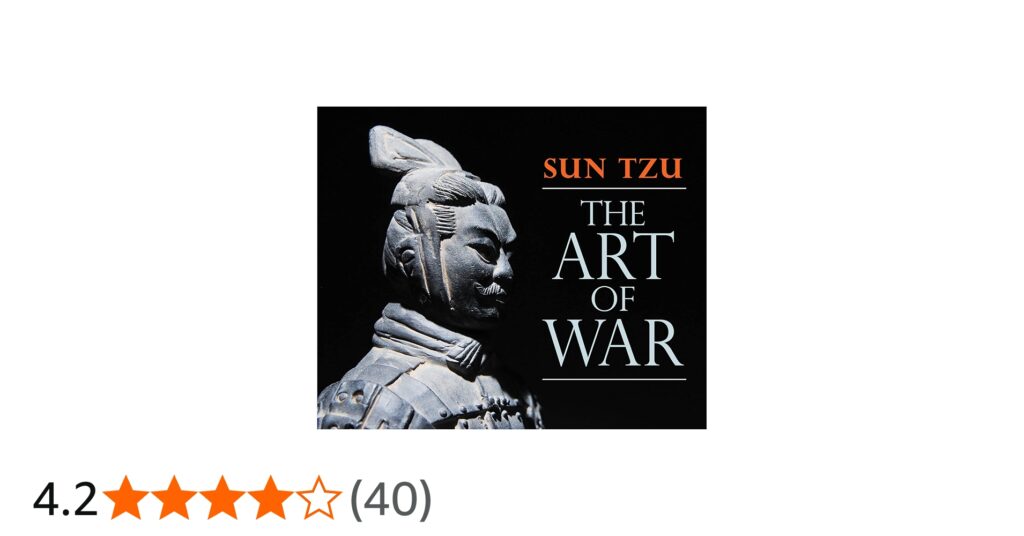
The Art of War by Sun Tzu offers a clear framework for approaching conflict and competition through careful thought and measured action. Written over two thousand years ago by a Chinese general, the text consists of thirteen short chapters that break down the realities of engagement. This summary presents the main ideas in straightforward terms and highlights the key lessons that readers can apply to personal or professional situations where planning and execution matter most. Moreover, the principles remain practical because they focus on fundamentals like preparation, awareness, and flexibility rather than on force alone.
Fundamental Military Strategy Concepts
Sun Tzu opens the discussion by noting that every situation involves five constant factors: the moral law, heaven, earth, the commander, and method and discipline. Therefore, leaders who weigh these elements thoroughly gain a strong sense of likely outcomes before any movement begins. In addition, proper assessment prevents unnecessary risks and directs resources where they produce the greatest effect.
Furthermore, the art of war teaches that haste without preparation leads to waste. For example, sustaining an army requires immense supplies, so campaigns must stay short and efficient. Consequently, clear calculations at the outset separate those who succeed from those who exhaust themselves early.
Core Warfare Principles for Intelligent Action
All warfare rests on deception, Sun Tzu states plainly. When strong, appear weak; when ready to advance, seem inactive. However, this approach does not rely on lies for their own sake but on shaping perception so the opponent misjudges reality. In this way, one creates openings that would otherwise remain closed.
Moreover, the supreme goal involves subduing the enemy without direct fighting. The art of war shows that breaking the opponent’s resistance through positioning and timing yields better results than costly battles. Therefore, wise leaders arrange conditions so victory arrives naturally rather than through brute effort.
Essential Tactical Wisdom for Positioning and Timing
Sun Tzu devotes attention to terrain and circumstances because they determine advantage. For instance, certain ground favors defense while other ground supports rapid movement. Additionally, he explains how to identify weak points and strike there instead of confronting strength head on. Thus, success comes from avoiding the solid and targeting the vulnerable.
In the same vein, energy and momentum play decisive roles. A skilled commander gathers force like a drawn bow and releases it at the precise moment. Consequently, timing transforms ordinary resources into overwhelming power. Furthermore, adaptability matters above rigid plans; just as water flows around obstacles, forces must shift according to the moment.
Leadership Lessons from Battlefield Strategies
Unity stands as another pillar in the art of war. Troops that share the same spirit move as one, while divided forces falter. Therefore, the commander must maintain clear direction and consistent communication so every part of the group understands its role. Moreover, care for the people under command builds loyalty that endures hardship.
Sun Tzu also stresses the value of intelligence gathered through reliable sources. Without accurate information, even the best plans fail. In addition, spies and scouts provide the eyes and ears that prevent surprise and reveal hidden opportunities. Thus, knowledge of the opponent equals knowledge of oneself in importance.
Key Combat Insights That Extend Beyond the Field
Throughout the thirteen chapters, the text returns to a handful of recurring ideas that form the foundation of effective action. One central lesson holds that knowing both yourself and the opponent removes fear from a hundred engagements. However, lacking either piece of knowledge invites repeated setbacks. Therefore, honest self-evaluation paired with diligent study of the other side creates lasting clarity.
Another lesson underscores restraint: engage only when victory is assured and withdraw otherwise. Moreover, prolonged conflict drains resources faster than any enemy could. Consequently, the art of war favors swift, decisive resolution over drawn-out struggles.
Finally, variation in approach prevents predictability. Sun Tzu advises against repeating the same methods, urging leaders instead to respond to each new situation on its own terms. In this manner, opponents stay uncertain while one retains the initiative.
Why These Lessons from the Art of War Remain Valuable
The principles in the art of war do not require literal battlefields to prove useful. They encourage thoughtful preparation, realistic assessment, and disciplined execution in any pursuit that involves opposition or uncertainty. Moreover, they remind readers that strength alone rarely decides outcomes; insight and timing often matter more. By studying these ideas, anyone can gain clearer judgment when stakes rise and choices grow complex.
This summary captures the heart of Sun Tzu’s guidance without unnecessary elaboration. Readers who return to the original text will find the same concise style and enduring relevance that have kept the work influential for centuries. The key lessons know the situation, deceive when necessary, adapt constantly, and seek victory through intelligence rather than exhaustion offer a reliable compass for navigating challenges with greater confidence and fewer regrets.