
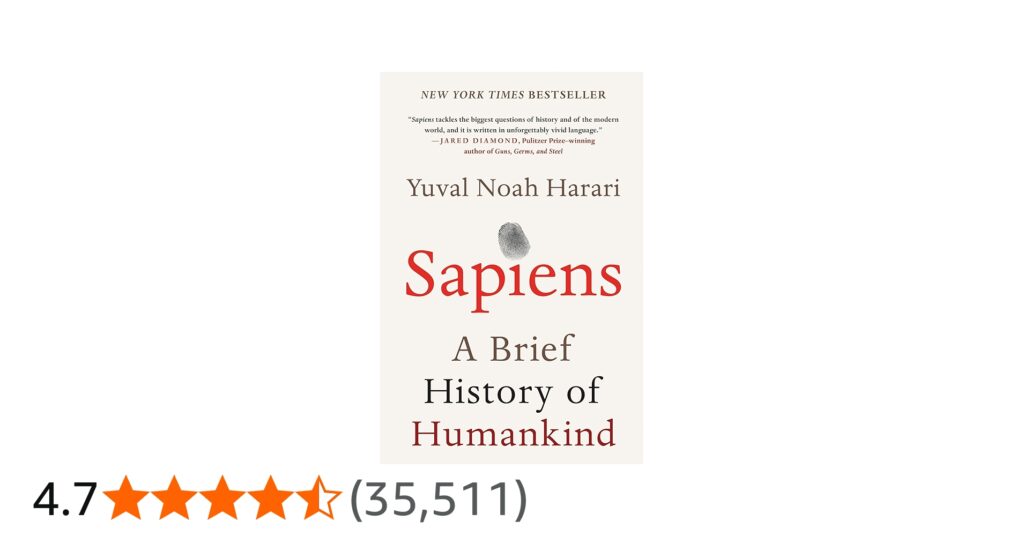
Yuval Noah Harari traces the journey of Homo sapiens from a minor player among many human species to the dominant force on Earth. This Sapiens book summary captures the main stages of that journey and draws out practical lessons that help readers see current society with fresh eyes. Moreover, the account shows how simple changes in thinking and cooperation reshaped everything from daily life to global systems.
Recap of Sapiens Core Ideas on Early Human Advances
Around 70,000 years ago, a key shift occurred that set sapiens apart. Language allowed people to share stories about things that never existed in the physical world, such as gods, nations, or future plans. Furthermore, these shared stories created flexible cooperation among large groups of strangers, something no other animal could match.
In addition, hunter gatherers lived with varied diets, shorter work hours, and deep knowledge of their surroundings. However, once sapiens reached new lands like Australia and the Americas, they quickly altered ecosystems and caused extinctions of large animals. Therefore, this period marked the start of history as we know it, separate from pure biology.
Insights from the Book on the Farming Transition
About 10,000 years ago, humans began domesticating plants and animals in several places at once. Wheat, for example, spread widely, yet this change brought more work, poorer nutrition, and new diseases for most individuals. Additionally, populations grew fast, but daily life became harder, with constant worries about weather and harvests.
As a result, what looked like progress on a group level felt like a trap for people. Hierarchies formed, and myths about ownership turned living things into property. Moreover, writing developed mainly to track debts and taxes, which further locked societies into these new patterns.
Takeaways about Shared Beliefs and Global Unity
Money, empires, and religions acted as the main forces that connected distant groups. Money works because everyone agrees to trust it, even though it exists only in minds. Empires, in turn, spread ideas and languages across continents, often blending cultures in unexpected ways. Furthermore, religions gave imagined orders a higher authority, moving from many local gods to ideas that claimed universal truth.
However, these unifiers also created inequalities and conflicts. In addition, the last 500 years brought another wave of change when societies openly admitted gaps in knowledge. Science, paired with trade and conquest, produced rapid gains in power, population, and technology. Therefore, the world moved toward one connected system faster than ever before.
Key Lessons Learned from Human Development
Several clear lessons stand out from the full account and apply directly to how we view life today.
- First, cooperation on a large scale depends on shared stories rather than physical strength or family ties alone. Changing those stories can reshape behavior quickly, which explains why societies transform without waiting for genetic shifts.
- Second, growth in numbers or resources does not always improve daily experience. The farming shift increased total food but reduced leisure and health for average people, a pattern worth remembering when new technologies promise convenience.
- Third, happiness comes mainly from meeting expectations and maintaining close relationships, not from endless material gains. Biochemistry sets a baseline, and events rarely change it for long. Therefore, focusing on family and community often matters more than chasing bigger possessions.
- Fourth, admitting what we do not know opened the door to real discovery. Earlier cultures assumed most answers were already settled, but this willingness to question everything drove recent centuries of invention.
- Fifth, history follows no automatic path toward better lives or justice. It simply moves toward more complex connections. As a result, each generation must decide what kind of order it wants rather than assume progress happens on its own.
- Finally, sapiens now hold tools to redesign biology itself through science. This power brings both opportunity and responsibility, since past patterns show that every major step carries unintended costs for individuals and the planet.
These points from the Sapiens book summary offer a steady framework for thinking about personal choices and wider society. Moreover, they encourage readers to question everyday assumptions and value the flexible cooperation that has always defined our species. By keeping these lessons in mind, anyone can gain clearer perspective on where humankind has been and what directions remain open.