
The art of being happy presents a clear 21 day masterclass grounded in positive psychology, neuroscience, and evolutionary biology. Dr. Mukesh Jain wrote this guide to move beyond vague advice and deliver research based tools that help readers build emotional balance, strengthen social ties, and discover greater meaning in daily routines. Rather than chase fleeting moments, the book shows how happiness becomes a measurable skill anyone can practice with consistent effort.
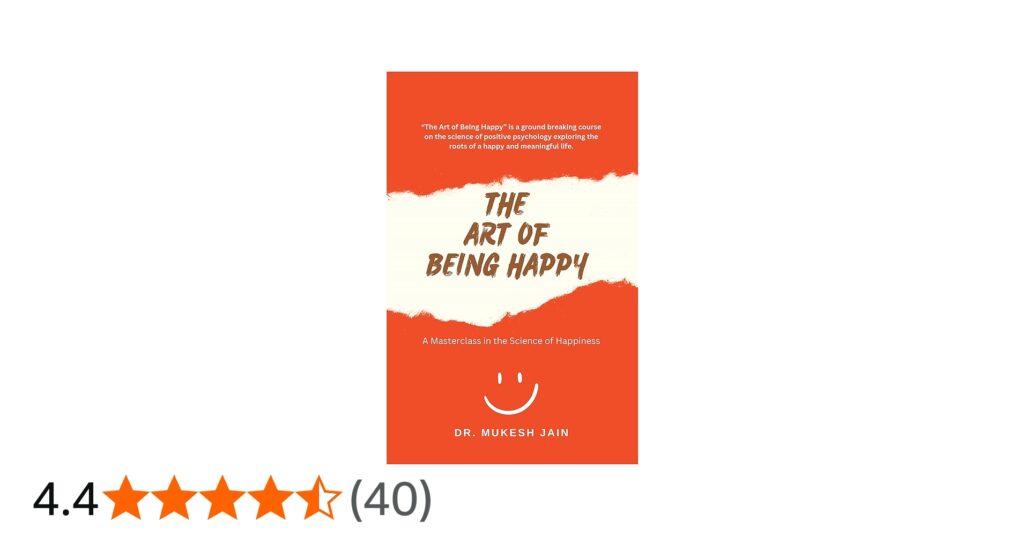
Furthermore, the structure feels approachable because each day introduces one focused topic paired with simple exercises. Readers work through gratitude practices, mindfulness techniques, and mindset shifts that accumulate into lasting change. Moreover, the author emphasizes that external conditions matter less than the internal habits people choose to repeat. Therefore, the art of being happy turns into a practical roadmap instead of abstract theory.
Exploring the Path to Contentment
In the early sections the book explains why happiness feels so elusive for many people. It draws on brain science to show how negative thought patterns form through repeated exposure to stress or comparison. However, the same science reveals that positive habits can rewire those pathways over time.
Additionally, readers learn to view happiness as an active process rather than a passive state. For example, the text encourages daily reflection on small wins and moments of connection. This approach builds momentum because small actions compound into noticeable shifts in mood and outlook. As a result, contentment grows from inside rather than depending on outside events.
Cultivating Joyful Living Through Relationships
Stronger social bonds form one of the central pillars in the art of being happy. The book highlights how meaningful conversations and acts of kindness release chemicals that support emotional health. Furthermore, it offers exercises to practice active listening and express appreciation without expecting anything in return.
Moreover, the guide addresses common barriers such as resentment or isolation. It provides step by step methods to release grudges and rebuild trust. Therefore, readers finish these chapters with clearer ideas about nurturing friendships and family ties that sustain long term satisfaction.
Mastering Contentment with Daily Practices
Practical exercises appear throughout the 54 short chapters. Each one targets a specific skill such as reframing challenges or noticing beauty in ordinary moments. In addition, the author includes breathing techniques and journaling prompts that take only a few minutes yet deliver measurable calm.
Furthermore, the 21 day format helps readers turn knowledge into habit. One day might focus on gratitude lists while another explores self compassion during setbacks. Consequently, participants report feeling more equipped to handle anxiety and maintain a steady sense of peace even when circumstances change.
Unlocking the Secrets of Lasting Fulfillment
Later portions examine how purpose and values influence overall satisfaction. The book explains that aligning daily choices with personal principles creates a deeper sense of direction. However, it warns against chasing perfection because realistic expectations prevent disappointment.
Moreover, readers discover ways to find good aspects in difficult situations without denying real pain. This balanced perspective reduces unnecessary suffering and opens space for growth. Therefore, the art of being happy becomes a lifelong practice rather than a temporary fix.
Key Lessons from the Art of Being Happy
The book distills several clear takeaways that readers can apply immediately. Here are the most repeated and useful ones:
- Happiness lives inside daily choices rather than outside achievements or possessions.
- Gratitude exercises and mindfulness routines strengthen emotional balance when practiced consistently.
- Compassion toward self and others builds resilience and improves relationships.
- Negative emotions lose power when met with awareness and deliberate reframing.
- Meaning emerges from giving, connecting, and living according to core values.
- Small, repeated actions over 21 days create habits that support steady joy.
- Suffering is natural, yet much of it shrinks when people stop fighting reality and start responding with skill.
Furthermore, these lessons emphasize personal responsibility without blame. The author reminds readers that everyone faces setbacks, yet the response to those setbacks determines the quality of life.
Final Thoughts on the Art of Being Happy
This guide stands out because it combines solid research with straightforward exercises that fit busy schedules. Readers who follow the 21 day plan often notice improved mood, deeper connections, and a quieter mind. In the end, the art of being happy reminds everyone that joy is not reserved for special occasions. It waits in the ordinary moments when people choose awareness, kindness, and steady effort. Pick up the book, try one exercise today, and watch how small shifts lead to bigger changes in how life feels.
Pingback: Becoming Supernatural by Dr. Joe Dispenza Book Summary